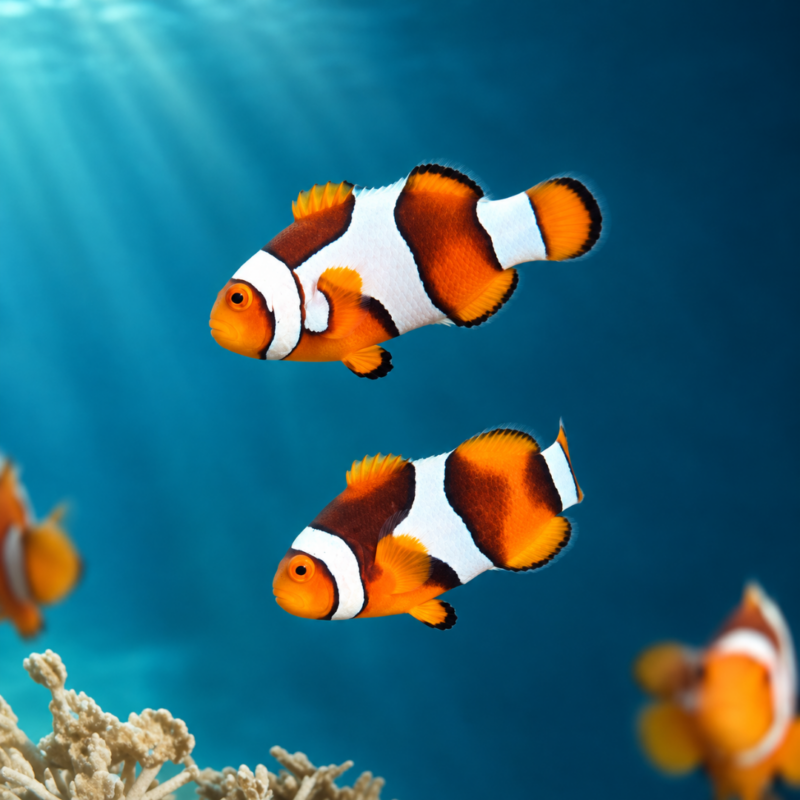
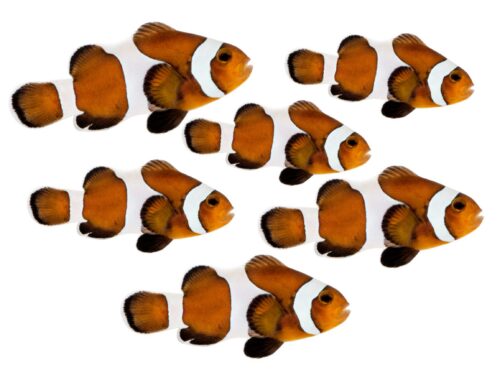
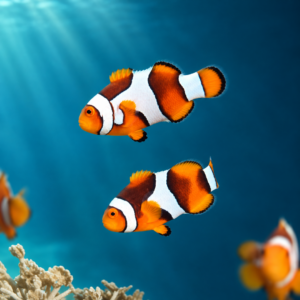
Add iconic clownfish personality with a high-end twist. Our Captive-Bred Designer Percula Clownfish (Assorted) features a rotating selection of premium Amphiprion percula morphs—each with its own unique pattern intensity, barring style, and coloration. Because these are designer Perculas, no two fish look exactly alike, making them a perfect choice for hobbyists who want a standout centerpiece while keeping the classic “true percula” look.
Captive-bred Perculas are strongly preferred over wild-caught. Wild Perculas can be more sensitive, while captive-bred fish are typically hardier and better adapted to aquarium life, with fewer shipping-related issues and a smoother transition onto prepared foods . Like all clownfish, they’re interactive, personable, and often choose a favorite area of the tank to call home—whether that’s an anemone, a coral, or a specific rock ledge.
What “Assorted” means (simple + transparent): You will receive one healthy captive-bred designer Percula from our current availability. Patterning and exact morph/grade will vary, but all are true A. percula designer variants. Quick Stats
- Species: Amphiprion percula (designer morphs, assorted)
- Temperament: Semi-aggressive (more territorial once established, especially as a pair)
- Reef Safe: Yes
- Diet: Omnivore (readily accepts prepared foods)
- Minimum Tank Size: Commonly recommended 20 gallons for a single fish or a bonded pair; larger is better with active tankmates
Designer Percula Clownfish Care Guide
Tank Size & Setup
A 20-gallon aquarium is a commonly recommended minimum for a single Percula or a bonded pair, especially in a reef community setting . Provide a stable, cycled system with:
- Live rock or rockwork structure for shelter
- Moderate flow areas so the fish can rest out of the current
- A secure lid (clownfish can jump when startled)
Clownfish do not require an anemone to thrive. Many Perculas live perfectly well in reefs without one, and will often “host” a coral or other structure instead.
Water Parameters (Targets)
Designer Perculas do best in stable reef parameters. Aim for consistency more than perfection:
- Temperature: typically maintained around 75 F to 80 F
- pH: around 8.1 to 8.4
- Salinity: stable reef salinity (commonly around 1.025 SG)
Diet & Feeding
Percula clownfish are omnivores and usually enthusiastic eaters. Feed a varied mix:
- Quality pellets/flakes designed for marine omnivores
- Frozen mysis shrimp, enriched brine shrimp, and finely chopped seafood
- Occasional algae-based foods can help round out nutrition
Feed small amounts 1–2 times daily. Consistent feeding helps reduce territorial behavior and supports coloration.
Temperament & Tankmates
Perculas are generally good community fish, but they can be territorial around their chosen “host” zone—especially once a pair forms. They typically do well with:
- Peaceful to moderately assertive reef fish (gobies, blennies, cardinals, many wrasses depending on species)
Avoid mixing multiple clownfish types in smaller tanks unless you have a large aquarium and a deliberate plan; clownfish-on-clownfish aggression is one of the most common compatibility problems.
Pairing Notes
Most clownfish sold are juveniles and may not be sexed. In a pair, the dominant fish becomes female over time. If a customer wants to form a pair, the usual approach is introducing two juveniles together in an appropriately sized tank and allowing them to establish a hierarchy.
Reviews
There are no reviews yet.